BuraN 75 — High-Precision Deep Pulse Induction System with Double-D Technology and Optional Magnetometric Gradiometer


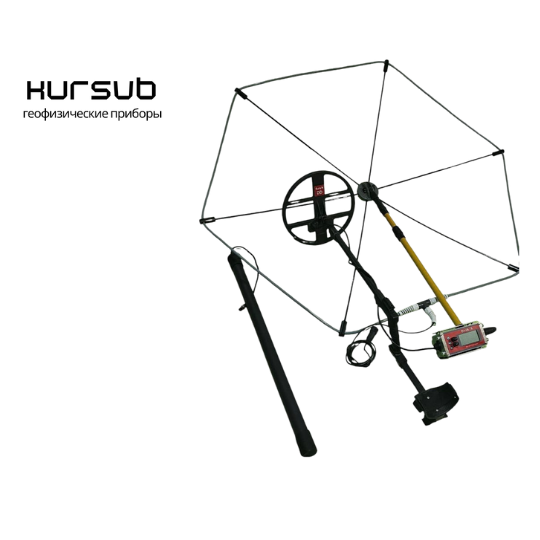
Buran 75
1. 45 cm Double-D Coil — High Discrimination, High Stability, High Resolution
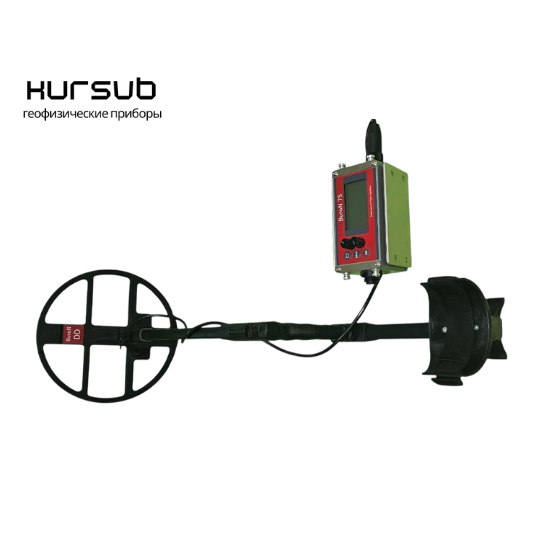
The 45 cm Double-D (DD) coil is the primary precision module of the BuraN 75 system. Its architecture employs two symmetrical “D”-shaped windings operating in differential mode to generate a uniform electromagnetic field and provide exceptional signal clarity.
Technical Advantages of the Double-D Coil
Superior metal discrimination due to differential field processing
Stable detection in high-mineral soil (basaltic, salty, clay-rich)
Reduced electromagnetic noise coupling
Improved lateral target identification
Accurate centerline pinpointing with symmetrical field geometry
Constant sensitivity across the entire sweep width
Why DD Coils Excel in Professional PI Systems
Double-D coils produce extremely consistent electromagnetic coverage. Unlike mono coils that develop signal “hot spots,” the DD field geometry allows the BuraN 75 to maintain stable discrimination and reliable target separation. This is especially critical in archaeological sites where metallic debris, soil layering, and mixed targets complicate identification.
The 45 cm coil is optimized for:
Mid-depth anomalies
Complex ground conditions
Targets requiring discrimination
Precise 2D mapping before deeper scans
2. 125 cm Deep-Penetration Coil — Maximum Depth Capability
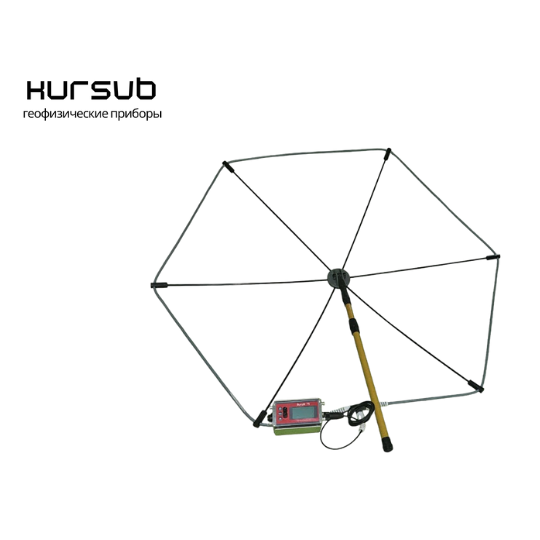
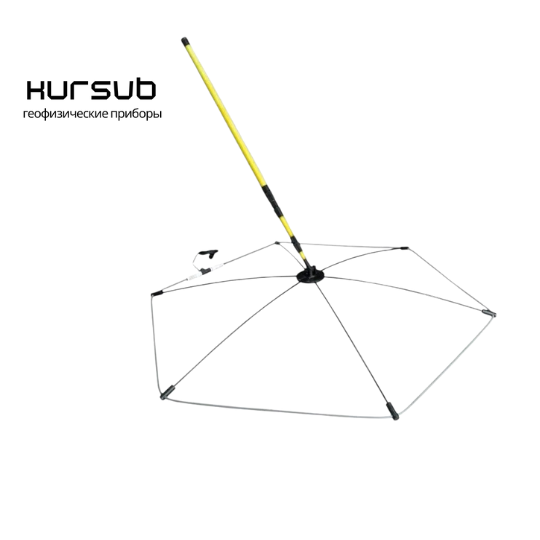
The 125 cm coil is a large-aperture deep-search module engineered for volume detection at depths reaching 4 meters in real field conditions. Its configuration maximizes electromagnetic field penetration while maintaining a controlled decay profile suitable for large metallic masses and deeply buried structures.
Technical Characteristics
Very large electromagnetic footprint
Ideal for large relics, metallic masses, deep caches
Consistent decay curve for accurate depth modeling
Compatible with automatic or manual ground balance
Lower discrimination capability (normal phenomenon for deep PI coils)
Exceptional stability due to optimized winding resistance and shielding
Ground Balance Mechanisms
Automatic Ground Balance (AGB):
Continuous adaptive compensation that analyzes soil mineral content and adjusts baseline offsets in real time.
Manual Ground Balance (MGB):
Allows expert operators to fine-tune the electromagnetic baseline to suppress specific ground responses while amplifying large deep targets. Used in extreme mineralization or conductive soil environments.
The 125 cm coil transforms BuraN 75 into a true deep-search system, capable of detecting deeply buried metallic structures that smaller coils cannot register.
3. Optional Magnetometric Gradiometer — Structural Anomaly, Void & Ferrous Signature Detection
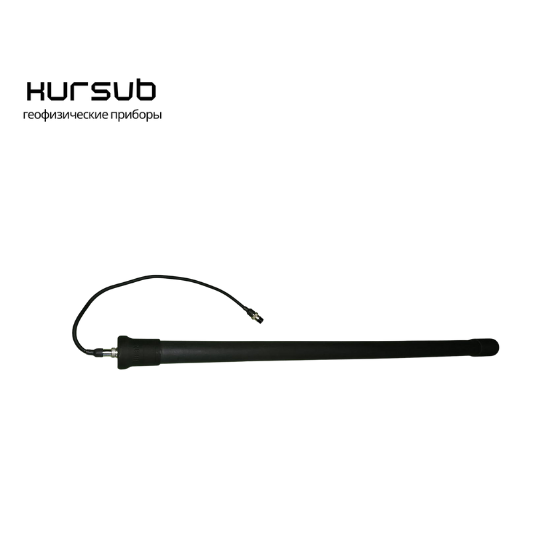
The BuraN 75 can be expanded with a high-sensitivity magnetometric gradiometer, turning the system into a dual-physics geophysical platform.
Magnetometric Capabilities
Detection of voids, tunnels, chambers, and cavities
Identification of ferrous metallic objects (even extremely deep or irregular)
Mapping of geomagnetic gradient variations
Structural mapping under archaeological sites
Tracking soil disturbances and man-made modifications
The gradiometer employs vertical magnetic gradient measurement, allowing the system to register changes in magnetic susceptibility that correspond to underground structures—even when they contain little or no metal.
Integration Advantages
Operates independently from the PI coils
Complements electromagnetic (PI) data with magnetic data
Enhances 3D and 4D reconstruction accuracy
Allows simultaneous geological, metallic, and cavity analysis
This module significantly broadens the analytical capabilities of BuraN 75 for scientific, archaeological, and engineering applications.
4. Android Integration — 3D, 4D, and Real-Time Geological Modeling
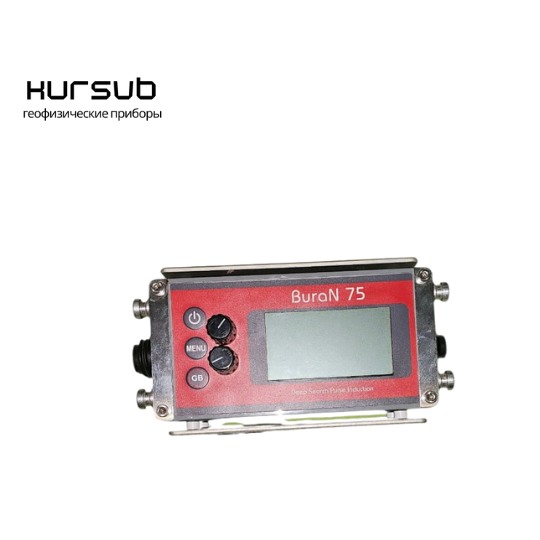
BuraN 75 supports full connectivity with Android devices via a dedicated communication interface, transforming the system into a portable geophysical analysis workstation.
Software Features
Real-time 2D signal graphs
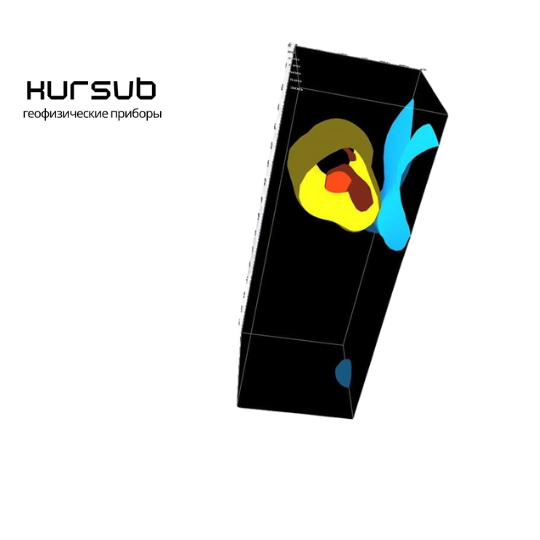
3D volumetric reconstruction of metallic and magnetic anomalies
4D comparative analysis (time-lapse scanning)
Digital depth estimation with volumetric indexing
Multi-pass correlation for reliability verification
GPS mapping and geo-referencing
Data export to specialized archaeological or geophysical suites
Android integration allows operators to visualize subsurface structures directly in the field with professional-level accuracy.
5. Pulse Induction Engine — High Voltage, Long Decay, Deep Return Sampling
The BuraN 75’s PI engine uses a high-energy pulsed waveform and long sampling window to detect low-conductivity or deeply buried metal masses.
Core PI Engine Features
High-voltage excitation pulse
Wide-band receiving window
Long decay sampling for maximum depth
Adaptive gain control
Ground phase cancellation
Multi-stage digital filtering
Automatic electromagnetic background suppression
The engine maintains excellent detection performance under:
Basaltic soils
Wet, conductive environments
High-salinity areas
Electrically noisy archaeological locations
This results in exceptionally clean return signals, even at maximum depth.
6. Environmental Adaptation & Mechanical Reliability
BuraN 75 is engineered for extended professional field deployment.
Resistant To:
Soil mineralization
Electromagnetic interference
Moisture and humidity
Temperature fluctuations
Physical impact and vibration
Operational Advantages
Rapid coil switching
Stable performance after long sessions
Robust connectors and shielded cables
Dustproof and moisture-resistant housing
The system maintains measurement stability over long-term usage and under challenging field conditions.
7. Professional Applications
Archaeology & Heritage Research
Chamber & void location
Detection of buried structures
Mapping metallic and non-metallic anomalies
Deep Treasure Search
Large metallic relics
Deep caches
Historical weaponry, tools, coins, and artifacts
Geophysical & Engineering Surveys
Geological discontinuities
Magnetic anomalies
Soil disturbance mapping
Early-stage infrastructure inspection